Science
Science at Wootton Primary School
Purpose of Study
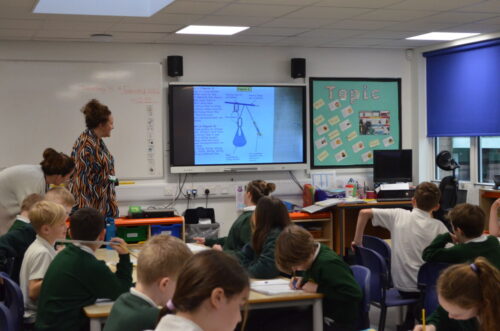
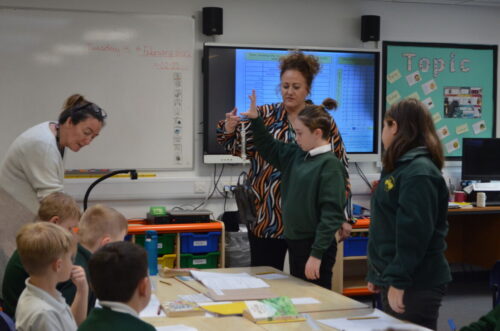
The provision of science at Wootton is based on investigating a range of key ideas in order to draw a conclusion. The key ideas provide a progressive and exciting curriculum that build on prior knowledge whilst challenging and stimulating all children. The teaching of science encourages the children to be inquisitive and questioning, this is provided through enquiry based learning. Science education provides the foundations of understanding the world through the specific disciplines of biology, chemistry and physics.
Aims
The national curriculum of science aims to ensure all pupils develop scientific knowledge and a conceptual understanding through the specific disciplines of science. They should develop an understanding of the nature, processes and methods of science through different scientific enquiries that help them to answer scientific questions.
Scientific knowledge and conceptual understanding
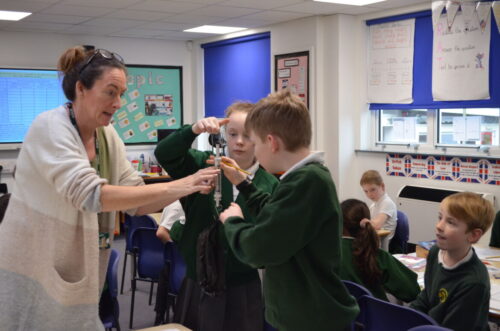
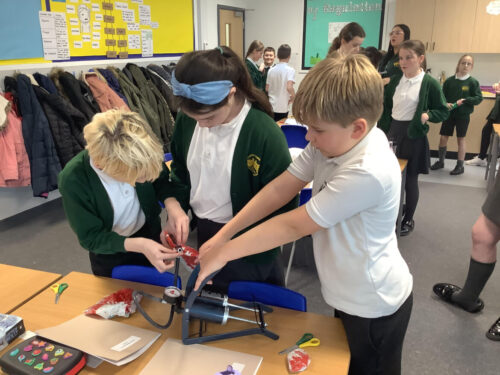
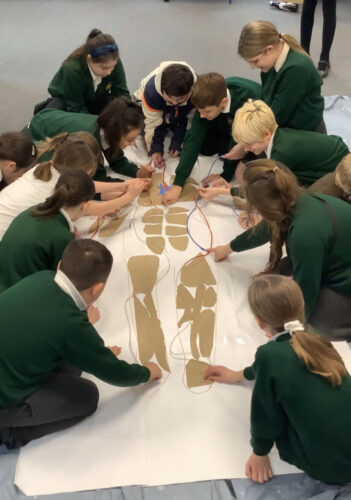
Our science curriculum provides rich and wide ranging experiences inside and outside of the classroom. These experiences give the children opportunities to develop and deepen their understanding of key scientific ideas. Science teaching is carefully developed to ensure it delivers clear, precise and structured opportunities for the children to question, learn and understand scientific facts and apply their knowledge to a range of new opportunities. Scientific enquiries challenge the children to investigate questions that they do not know the answer to. Enquiry based learning encourages the children to test their knowledge against the results they find and draw conclusions to answer the enquiry. We actively encourage the children to question their findings, especially if the enquiries do not match their predicted answer.
At Wootton, our science curriculum develops successful students who enjoy learning and make progress. We encourage our children to share their knowledge, be inquisitive and aim to give them the confidence to investigate the unknown. Our school values underpin the children’s work in science. We empower the children to investigate no matter the outcome, build their resilience when faced with a challenge and this enables the children to persevere and become aspirational learners.
The nature, processes and methods of science
‘Working scientifically’ specifies the understanding of the nature, processes and methods of science for each year group. It should not be taught as a separate strand. The notes and guidance give examples of how ‘working scientifically’ might be embedded within the content of biology, chemistry and physics, focusing on the key features of scientific enquiry, so that pupils learn to use a variety of approaches to answer relevant scientific questions. These types of scientific enquiry should include: observing over time; pattern seeking; identifying, classifying and grouping; comparative and fair testing (controlled investigations); and researching using secondary sources. Pupils should seek answers to questions through collecting, analysing and presenting data. ‘Working scientifically’ will be developed further at key stages 3 and 4, once pupils have built up sufficient understanding of science to engage meaningfully in more sophisticated discussion of experimental design and control.
Spoken language
The national curriculum for science reflects the importance of spoken language in pupils’ development across the whole curriculum – cognitively, socially and linguistically. The quality and variety of language that pupils hear and speak are key factors in developing their scientific vocabulary and articulating scientific concepts clearly and precisely. They must be assisted in making their thinking clear, both to themselves and others, and teachers should ensure that pupils build secure foundations by using discussion to probe and remedy their misconceptions.
School curriculum
The programmes of study for science are set out year-by-year for key stages 1 and 2. Schools are, however, only required to teach the relevant programme of study by the end of the key stage. Within each key stage, schools therefore have the flexibility to introduce content earlier or later than set out in the programme of study. In addition, schools can introduce key stage content during an earlier key stage if appropriate. All schools are also required to set out their school curriculum for science on a year-by-year basis and make this information available online.
Attainment targets
By the time our pupils leave us, we aim to ensure that all pupils:
- Have a secure understanding of key scientific facts.
- Answer a scientific question or enquiry through planning a fair test and executing with growing degrees of accuracy.
- Use scientific equipment to help answer questions.
- Question the results of an enquiry, explain possible causes and create experiments to test ideas and concepts.
Lauren in Year 4 – “Science is great because we get to work together to figure out complicated problems that we do not know the answer to”.