
Special Educational Needs and Disabilities
Wootton SEND offer 2026-27 (SEND information report)
Please see our Special Educational Needs policy here:
Our SENCO is Miss Emily Paterson – You can contact her at senco@woottonpri.iow.sch.uk

Welcome to Zones of Regulation!
In school, we have revisited with the staff Zones of Regulation Training and felt it would be really helpful for parents to know about it too so you can understand the language that your children may start to use at home, and also to use the same language at home with them too. Every few weeks we will provide you with some information about Zones so please keep an eye out in the newsletter and in the SEND section of the website! But first things first…
What is The Zones of Regulation?
The Zones of Regulation is a curriculum full of a range of activities to help your child develop skills in the area of self-regulation. Self-regulation can go by many names, such as self-control, self-management and impulse control. It is defined as the best state of alertness of both the body and emotions for the specific situation. For example, when your child plays in a basketball game, it is beneficial to have a higher state of alertness. However, that same state would not be appropriate in the library.
Some of the aims of The Zones of Regulation:
- To help children recognise when they are in the different Zones and how to change or stay in the Zone they are in.
- To gain an increased vocabulary of emotional terms so that they can explain how they are feeling.
- To gain insight into events that might make them move into the different Zones eg. disagreement with a friend, a certain subject being taught or a fire drill.
- To help children understand that emotions, sensory experiences, physiological needs (eg. hunger/lack of sleep) and environments can influence which Zone they are in.
- To develop problem-solving skills.
- To identify a range of different calming and alerting strategies/tools that support them. Tools identified may be personalised sensory supports (eg. use of putty at key times), calming techniques or thinking strategies.
“Life is 10% what happens to us and 90% how we react to it” Charles Sindoll

Please see some helpful links below:
SENDIASS – advice and support for parents of children with SEND needs
Family Information Hub – information for families on the island ranging from early years to support with finances
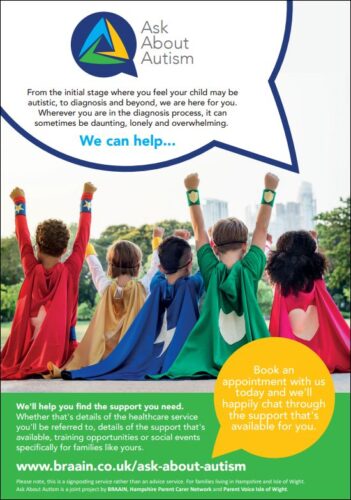
Please click here for some Autism Courses and Autism Friendly Venues
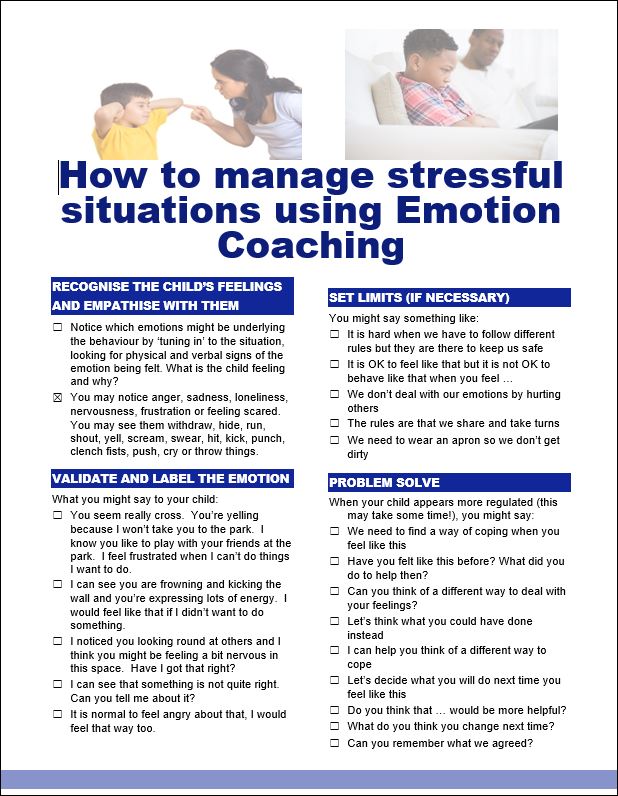

What can I do whilst I am waiting for my child assessment